Research Nursery & R&D
Modern Nursery Research and Plant Development in Gujarat
How modern nursery methods such as protrays, shade-net, grafting, tissue culture and drip are shaping plant development in Gujarat, and what they mean for growers.
Gujarat's growing challenges
Gujarat's farmers work with hot summers, rainfall concentrated in the monsoon months, limited groundwater in many areas and saline soils in parts of the coast. Planting material has to cope with these conditions from the first day in the field, which is why nursery methods and plant development research matter so much here.
Methods changing nurseries today
Protrays and soilless media
Seedlings raised one per cell in clean media such as cocopeat transplant with their roots intact and suffer less from soil-borne disease than those from open seed beds. Raising seedlings in protrays explains the method.
Shade-net and protected nurseries
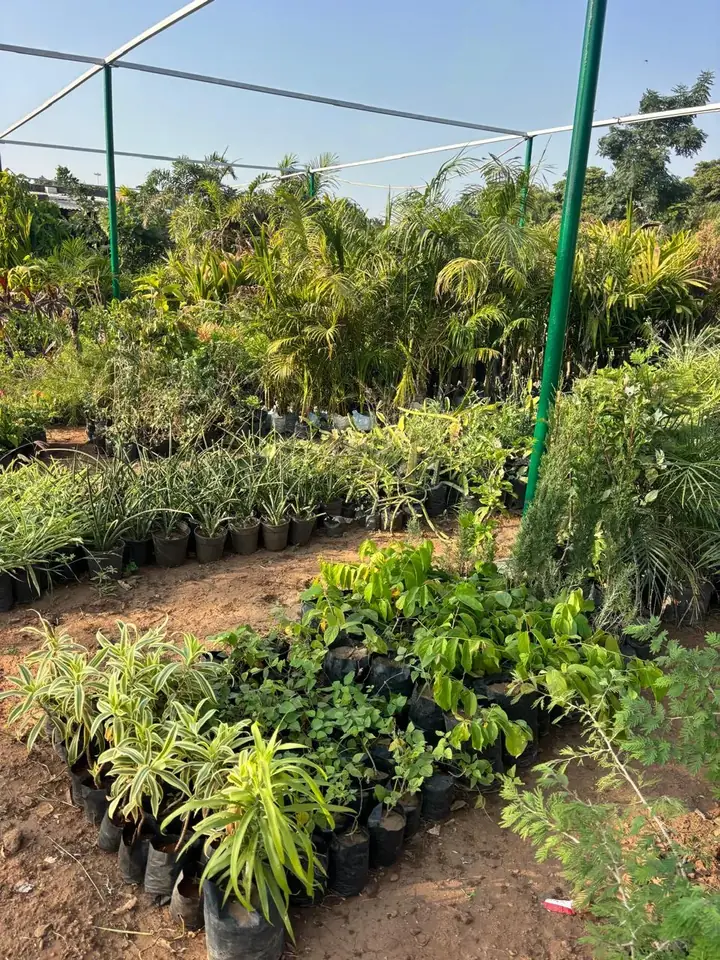
Shade-net houses and polyhouses protect young plants from extreme heat and heavy rain and allow controlled hardening before sale. See modern nursery technologies and polyhouse cultivation.
Grafting
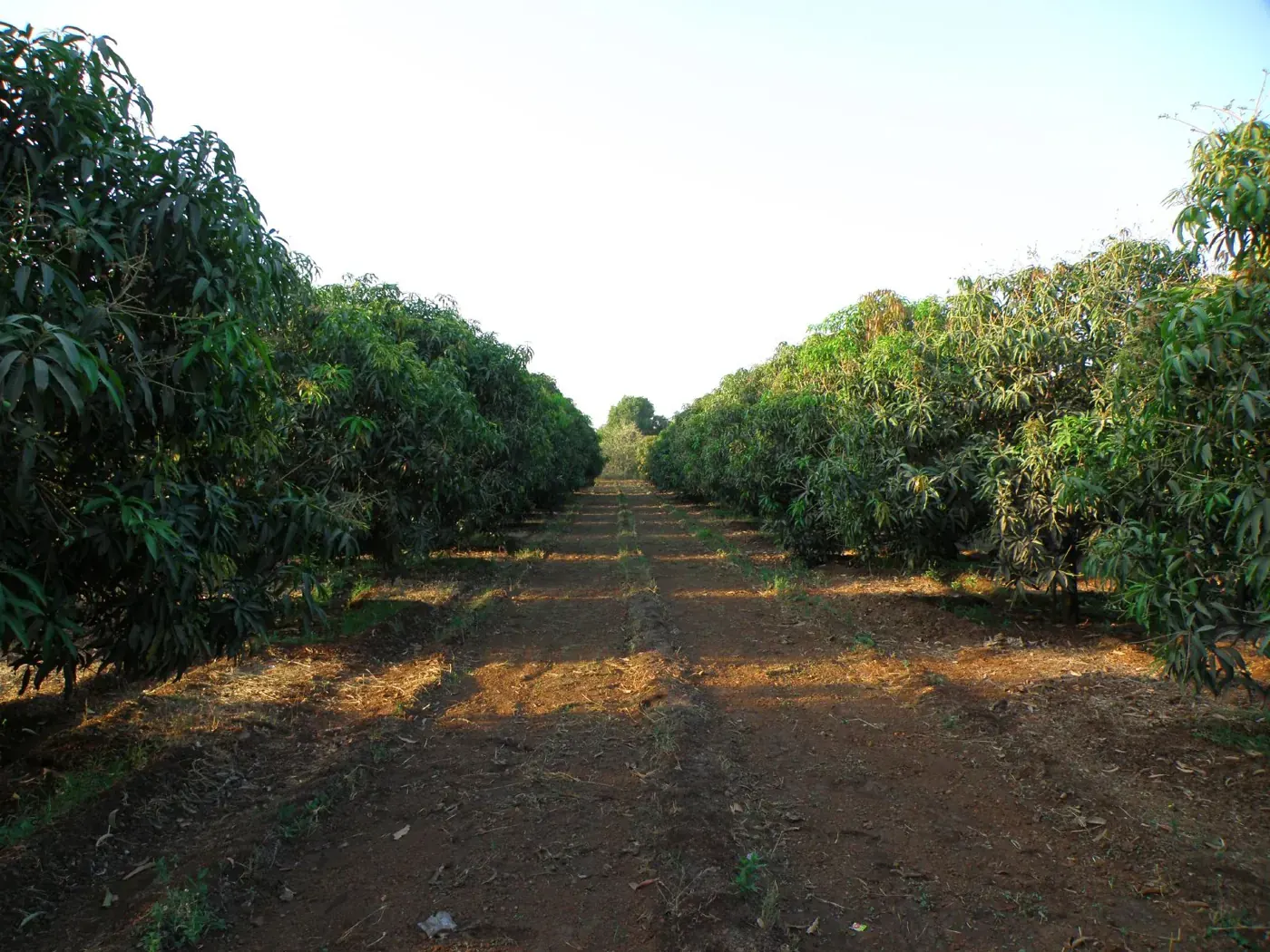
Joining a productive variety to a tolerant rootstock is long established for mango and is increasingly used for vegetables such as tomato and brinjal to reduce soil-borne disease. See grafting and grafting chambers.
Tissue culture
Laboratory multiplication of plants produces large numbers of uniform, disease-free plants. In Gujarat it is widely used for banana and has been used to multiply date palms in Kutch.
Precise water and nutrition
Drip irrigation and fertigation deliver water and nutrients to the root zone, which saves water and gives more even growth in nurseries and fields.
Mechanised sowing
Automatic seeders fill and sow trays quickly and evenly, making large-scale seedling production more consistent.
Who drives plant development in Gujarat
Gujarat's state agricultural universities, Anand, Junagadh, Navsari and Sardarkrushinagar Dantiwada, breed and test varieties and practices for the state's different agro-climatic zones. Krishi Vigyan Kendras in each district carry this work to farmers. The National Horticulture Board also runs a scheme to accredit horticulture nurseries that meet its standards.
Private and local nurseries complete the chain by producing planting material in volume and testing how new varieties and methods perform on local sites.
Where nursery research is heading
Breeding is moving faster: India released its first genome-edited rice varieties in 2025, including one tolerant of saline soils (see India releases its first genome-edited rice varieties). Nursery research will increasingly focus on heat and drought tolerance, rootstocks for difficult soils, water-saving propagation and disease-free planting material.
Applying modern methods in Himmatnagar
At Saaj Garden Nursery in Himmatnagar we raise plants under shade-net and harden them before sale, and we help nurseries and farmers adopt these methods through our advanced farming services and farmer advisory. To discuss your nursery or farm, call +91 9898042352 or read Research Nursery in Himmatnagar.